

If you have been running marketing campaigns in the Gulf Cooperation Council (GCC) region, you already know it is one of the most exciting, fast-paced, and high-growth markets on the planet. From the futuristic mega-projects of Saudi Arabia’s Vision 2030 to the bustling, hyper-connected business hubs of Dubai and Abu Dhabi, the opportunities are massive.
But if you think you can just copy-paste your global English campaigns, slap on a basic translation, and call it a day, we have some news.
As we move through 2026, a massive shift is happening. Across the GCC, Arabic localization is no longer just a “polite suggestion” or a clever way to boost conversion rates, it is officially becoming a strict regulatory requirement.
Let us dive into what these new laws mean for your brand, why standard translations won’t cut it anymore, and how you can stay ahead of the game.
1. The Legal Reality: No More “English-Only” in Public Spaces
For years, many international brands treated Arabic translation as an afterthought. Because of the region’s incredibly diverse expat populations, English became the default language of business. But governments across the region are taking bold steps to protect and elevate their cultural identity.
The UAE’s Proposed Arabic Language Law (Rolling out 2026–2027)
The UAE is currently drafting and finalizing its first dedicated Arabic Language Law, slated to take full effect by 2027. Spearheaded by the Ministry of Culture, this law aims to strengthen national identity and a deep sense of “cultural belonging” amid the country’s vast demographic diversity.
Under this landmark framework, the rules of engagement for businesses are shifting drastically:
-
Mandatory Advertising Translation: Public advertising campaigns and promotional materials must feature Arabic.
-
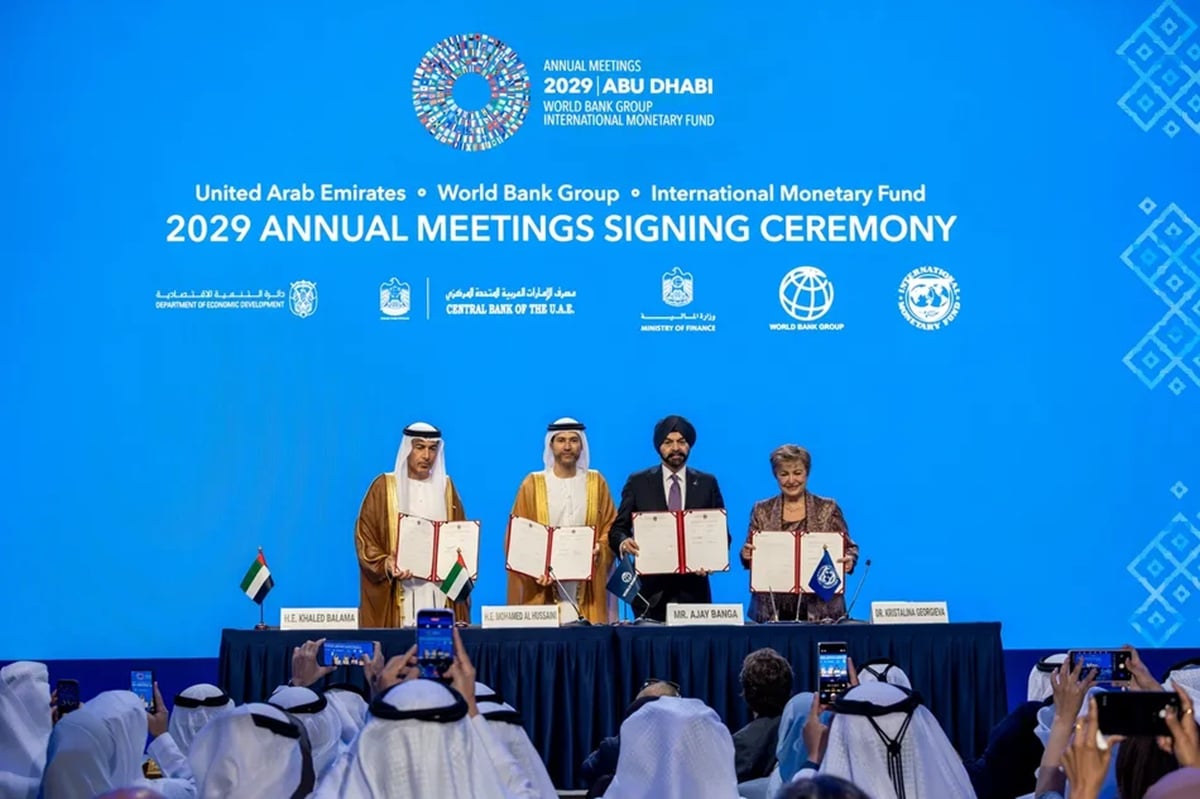
Conferences & Public Events: Under the draft provisions, conferences, seminars, and official meetings conducted primarily in another language must provide professional Arabic translation.
-
Customer-Facing Operations: Key customer service industries, including hotels, health, and social services, will legally require Arabic-speaking staff within their teams.
The Compliance Catch: This policy isn’t designed to isolate the UAE or ban English. As Shatha Al Mulla, Assistant Undersecretary at the Ministry of Culture, explained:
“The law is designed to achieve balance, not isolation”
The goal is to maintain global competitiveness while protecting cultural security. However, those who persistently do not comply will face phased penalties and fines.
Saudi Arabia’s National Arabic Language Policy
Not to be outdone, Saudi Arabia has officially adopted its National Arabic Language Policy. This means any business operating or marketing within the Kingdom must prioritize Arabic in all administrative functions, contracts, signage, public notices, and, yes, all local advertisements.
If your brand fails to comply, you’re not just risking a flat campaign, you’re looking at potential licensing delays, rejected advertising permissions, and heavy compliance fines.
2. Why Literal Translation is a Budget Killer
“But wait, can’t I just use a cheap machine translation tool or hire a standard agency to translate my English ad copy word-for-word?”
Sure, if you want your campaign to completely bomb.
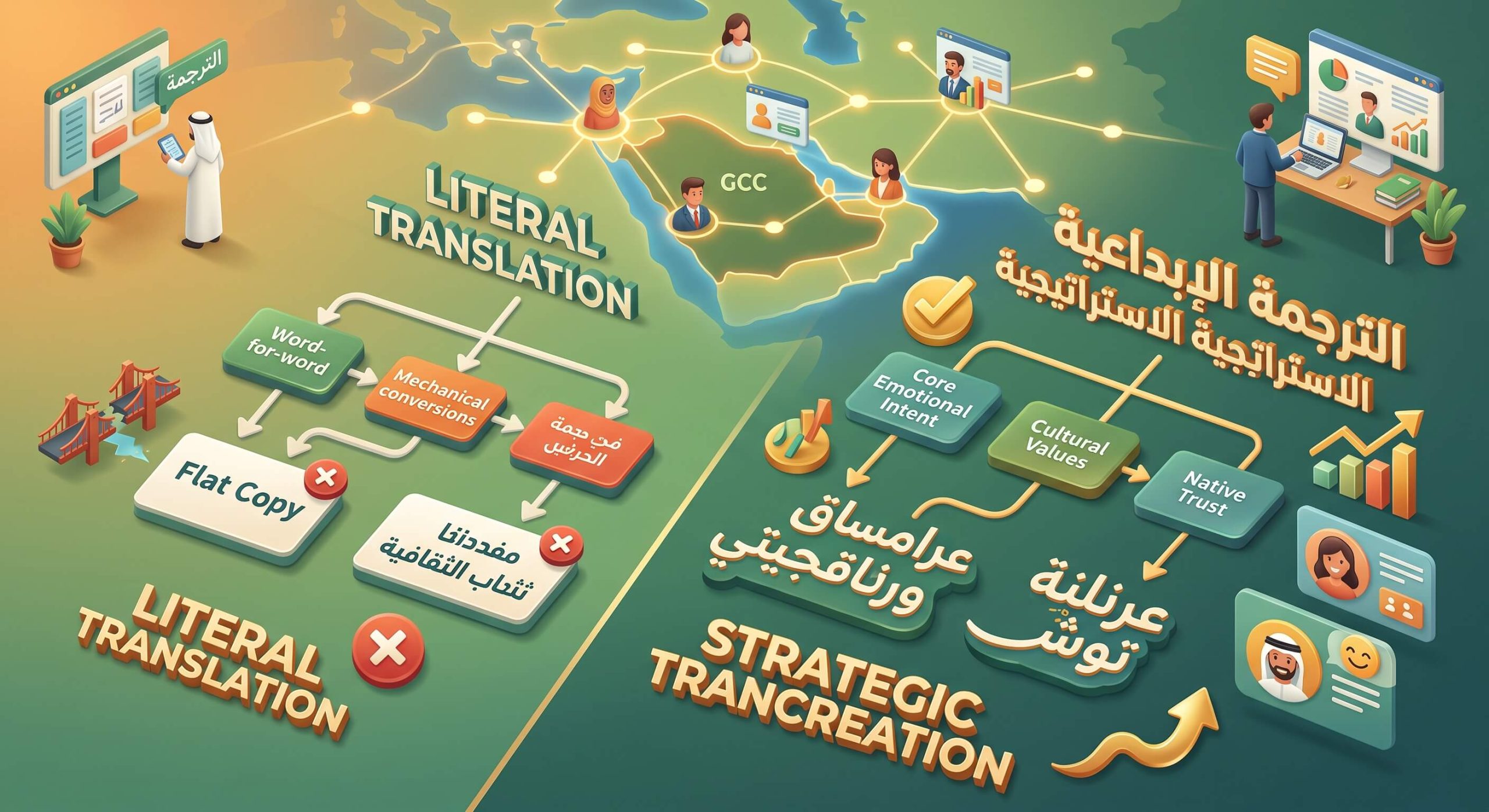
Literal translations strip away the emotional intent, humor, and cultural references of your original message. What sounded like a sleek, punchy hook in English can easily turn into a robotic, confusing, or downright offensive phrase in Arabic.
Furthermore, Arabic is a rich language with highly distinct dialects. While Modern Standard Arabic (MSA) is the gold standard for official legislation, corporate policies, and formal press releases, it can sometimes feel too rigid for a social media campaign. If you want to build a real emotional connection with locals in Riyadh or Dubai, you need transcreation, creative translation that adapts your brand’s true voice to regional cultural nuances (like the local Khaleeji dialect) while keeping your core message intact.
At Langpros, our strategic focus is built entirely around transcreation and absolute Cultural Market Fit. We don’t just swap words; we reframe your story so it resonates deeply with your target audience. This is why we live by our core promise: “WE SPEAK YOUR LANGUAGE”.
3. The Sectors Impacted Most: Are You on the List?
The new mandates apply across the board, but ten key areas are facing immediate regulatory scrutiny. If your business falls into these categories, local compliance is no longer optional:
You May Also Like