

Picture this: your engineering team spent two years developing a revolutionary tech product. The software code is airtight, the user interface (UI) design is flawless, and your patent filings are moving forward. Now comes the exciting part, launching across the Gulf Cooperation Council (GCC).
The Gulf region, particularly markets like the UAE and Saudi Arabia, represents a massive growth opportunity for global digital tech, sports platforms, and high-growth enterprise software. But there is a catch. Before you can roll out your product in Riyadh, Dubai, or Jeddah, you need to adapt it into native Arabic. That means sharing unreleased source code, confidential user manuals, design mockups, and proprietary trade secrets with external linguists, software testers, and desktop publishers.
If your pre-release technical assets leak before launch day, the fallout can be catastrophic. Competitors could reverse-engineer your features, your intellectual property (IP) could be compromised, and your multi-million-dollar go-to-market campaign could fall flat.
So, how do enterprise tech companies navigate this hurdle? By combining secure digital workrooms with strict intellectual property protection protocols during the localization process.
The Unique Stakes of Localizing Pre-Release Assets in the GCC
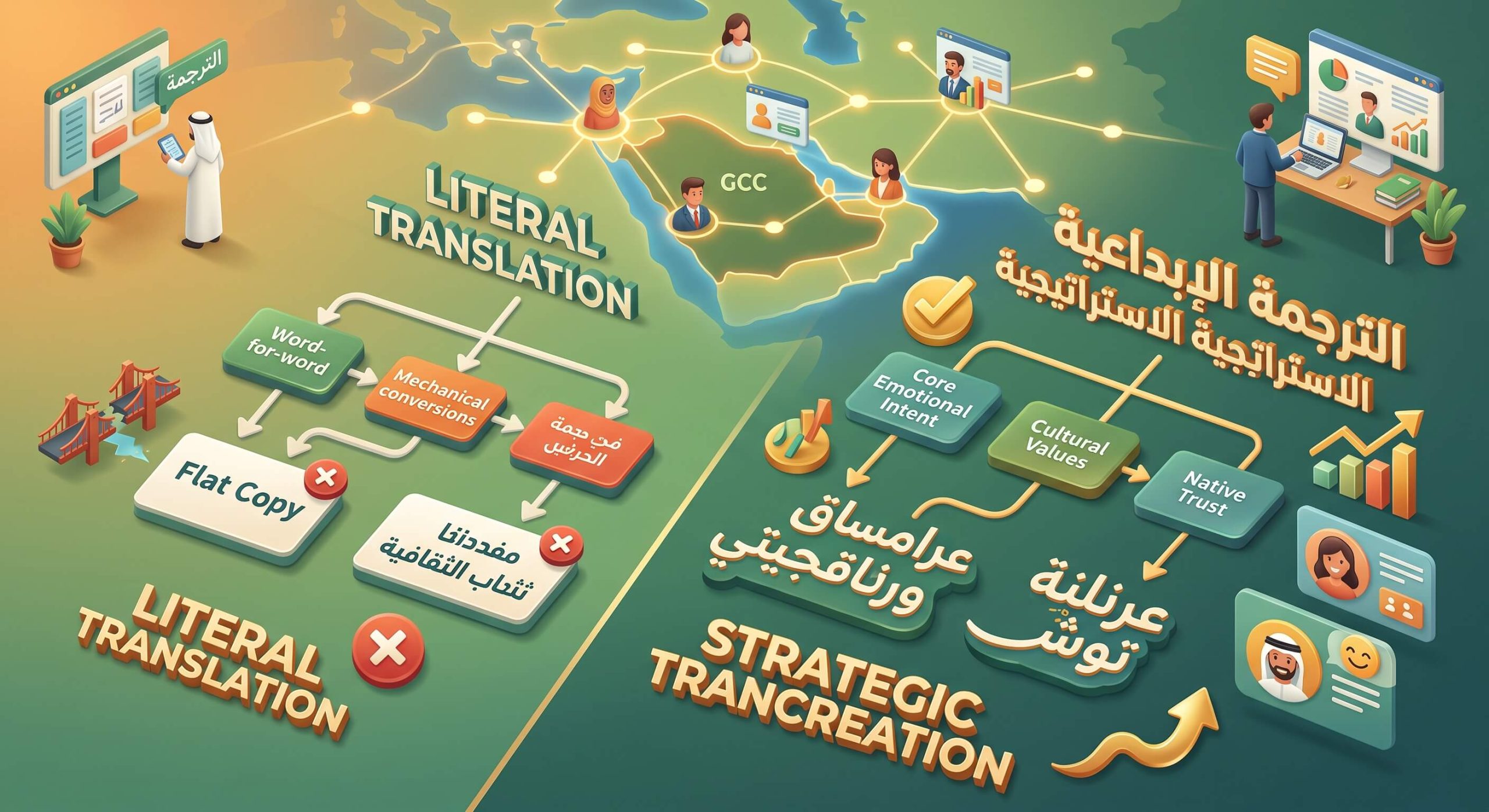
Localizing technical software or complex hardware docs isn’t just about translating word for word. In fact, standard word-for-word translation often fails because it strips away technical clarity and cultural nuance. Real localization requires:
-
Linguistic Quality Assurance (LQA): Testing every button, UI string, tooltip, and pop-up directly within a live test environment to ensure text doesn’t overlap or break the interface.
-
In-Context Visual Testing: Ensuring right-to-left (RTL) Arabic layouts adjust seamlessly across web, iOS, and Android applications.
-
Cultural Market Fit (Transcreation): Creative adaptation that ensures complex technical terms resonate naturally with local users while honoring regional compliance and legal standards.
Because this work requires translators, engineers, and quality assurance specialists to interact directly with your software before it ever touches a public server, the exposure risk is high. In the fast-growing GCC technology ecosystem, where cybersecurity, digital product scaling, and IP protection are heavily regulated, data privacy is top priority.
What is a Secure Workroom in Language Services?
A secure workroom (or secure localization environment) is a controlled digital workspace designed to prevent unauthorized access, data leaks, and intellectual property theft while linguists adapt your software.
Rather than sending sensitive files back and forth over unencrypted email attachments or general cloud drives, secure localization relies on strict security architecture:
-
Role-Based Access Control (RBAC): Linguists and technical experts only see the exact strings or text fragments they are assigned to translate. They never receive the full raw codebase or underlying master files.
-
Cloud-Based, Isolated Workstations: Content remains hosted inside encrypted servers. Translators work within isolated web platforms or secure CAT (Computer-Assisted Translation) tools where copying, pasting, downloading, or printing local files is strictly disabled.
-
Data Sovereignty & Encryption: Assets are kept secure using end-to-end encryption protocols (such as WPA2/WPA3 standards for wireless setups and TLS/AES-256 for data transmission and hosting). For government, healthcare, or high-compliance enterprise entities, data can even be processed on local, on-premise regional servers to maintain strict local data sovereignty.
-
Dynamic Watermarking: Every screen opened inside the localization environment displays a subtle, visible watermark with the linguist’s user ID and timestamp, instantly discouraging unauthorized screenshots or visual leaks.
Building an IP Protection Shield During Translation
Technology tools are only half the battle; human processes and legal frameworks make up the other half. To create a bulletproof environment for pre-release software, reputable language service providers deploy a multi-layered compliance shield:
1. International Quality and Security Certifications Never trust pre-release code to unverified freelancers or generic translation platforms. Look for agencies, like Langpros holding ISO standards, such as ISO 17100 (the global benchmark for translation quality processes). These certifications mandate independent dual-linguist review workflows, clear process tracking, and strict risk management protocols.
2. Ironclad Non-Disclosure Agreements (NDAs) Every project manager, native Arabic translator, and LQA tester working on pre-release assets must be bound by enforceable, legally binding non-disclosure agreements tailored to regional legal jurisdictions like the UAE or KSA.
3. Agile, In-Pipeline Integration Modern localization doesn’t happen at the very end of development; it operates inside agile development sprints. Secure API connectors allow continuous translation updates directly inside dev environments like Unity, Unreal Engine, Android, iOS, or GitHub. This keeps code securely inside your established CI/CD pipeline while allowing linguists to do their jobs without manual file exports.
The Value of Partnering with Regional Experts
When launching high-stakes technical products across Dubai, Abu Dhabi, Riyadh, or broader global markets, cutting corners on security or translation quality is a recipe for expensive delays, legal headaches, or brand damage.
By partnering with an asset-backed language solutions provider that combines ISO-certified quality processes, advanced technology integrations, and secure localization workflows, enterprise brands can confidently expand into the GCC, keeping their intellectual property completely safe while delivering an authentic local experience. Contact Langpros today for a free quote on your localization projects!
You May Also Like