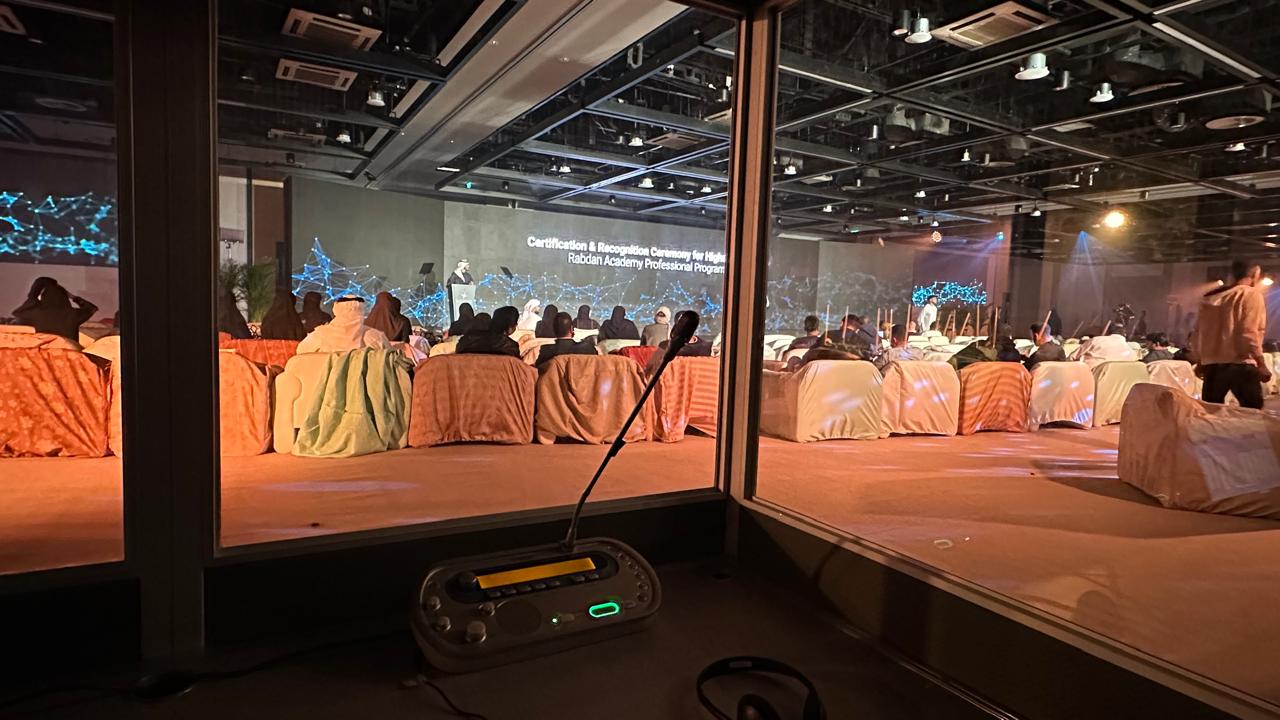


In a world where digital experiences dominate and audiences are increasingly global and diverse, live captioning isn’t just an accessibility add-on, it’s a powerful tool that enhances engagement, inclusivity, and reach. Whether you’re streaming a product launch, hosting a hybrid conference, or sharing a livestreamed training session, captions make your content more understandable and more usable for everyone.
But what exactly makes live captioning so valuable? And why should brands, big and small, think about it as a core strategic capability rather than an optional feature? Let’s break it down.
1. Live Captions Improve Accessibility for Everyone
Accessibility should never be an afterthought. In many regions, including the UAE and EU, accessibility is not just a brand value, it’s a legal requirement for public-facing content.
Live captioning helps:
- People who are deaf or hard of hearing
- Non-native speakers
- Anyone in a noisy environment
- People who prefer reading over listening
A video with captions is simply more usable, plain and simple. When you add captions to your live events, you widen your audience in both expected and unexpected ways.
2. Captions Boost Engagement and Retention
People consume content in different ways. For many, especially in busy or mobile environments, sound isn’t always available or convenient. Think about commuters, office workers in shared spaces, or smartphone users watching videos without headphones, captions help them stay engaged without missing a word.
Research has shown that:
- Captions increase watch time
- Captions improve message retention
- Captions make videos easier to follow
Even on social platforms like LinkedIn, Instagram, and TikTok, videos with captions perform better. Users scroll with sound off by default, so if your video isn’t captioned, your message might be invisible to a large part of your audience.
3. Live Captions Support Multilingual Audiences
Global brands and events are inherently multilingual. While interpretation provides real-time spoken language access, captions can serve as another layer of understanding, especially for audiences who are reading in their second language.
Captions can:
- Display real-time text in the original language
- Be translated into multiple languages for live streams
- Act as a fallback when interpreting isn’t available or practical
This makes live captioning a valuable tool for international communication, particularly for hybrid events where remote audiences may come from dozens of countries.
4. Searchability and SEO Benefits
Believe it or not, captions also help with search engine visibility. Search engines can’t “listen” to speech, but they can read text. By providing live captions and saving them as part of your video metadata or archive, search engines can index your content more effectively.
This leads to:
- Better discoverability on platforms like YouTube
- Higher ranking in search results
- Easier repurposing into text-based content (blogs, articles, social posts)
Just like transcriptions help with SEO for podcasts, live captions help extend the reach of your video content beyond the livestream itself.
5. Live Captions Enhance Learning and Comprehension
In educational environments, whether corporate training, webinars, or e-learning sessions, captions are not just a convenience; they’re a cognitive aid.
Studies show that reading text while listening improves comprehension and retention for many learners. Captions can:
- Help participants follow complex terminology
- Make technical content more digestible
- Serve as a reference for note-taking
In settings where information matters, captions make learning more complete and more accessible.
6. Legal and Compliance Advantages
In jurisdictions with accessibility laws or guidelines (like ADA in the United States or accessibility mandates in the UAE and EU), providing live captioning can be more than ethical, it can be a legal requirement.
Failing to provide accessible content can result in:
- Regulatory complaints
- Negative brand perception
- Exclusion of people with hearing disabilities
Making live captions part of your standard workflow helps protect your brand and demonstrates responsible communication practices.
7. Live Captioning Works for All Types of Events and Content
Live captioning is not limited to one format. It adds value wherever spoken language is present:
Events & Conferences
Attendees follow keynotes, panels, and breakout rooms with captions, enhancing understanding and participation.
Hybrid & Virtual Meetings
Remote attendees get the same access as onsite participants, bridging the engagement gap.
Live Streams & Webinars
Captions boost viewer retention and message clarity across platforms.
Workshops & Training
Learners benefit from visual reinforcement of the material.
Public Announcements & Broadcasts
Captions make sure the message reaches audiences with clarity.
8. Future Trends: AI & Live Captioning
Technology is transforming how live captions are generated:
- AI-powered speech-to-text tools can produce live captions with increasing accuracy
- Hybrid workflows blend AI with human oversight for better quality
- Real-time translation captions are becoming more mainstream
- Captions can now be integrated into mobile devices & BYOD systems for events
This trend means more brands will adopt live captioning not just out of necessity, but as a strategic differentiator.
9. Captions Strengthen Brand Reputation and Inclusion
In the end, live captioning says something important about your brand:
- You value all audiences
- You invest in clear communication
- You create experiences that are inclusive and welcoming
- You care about accessibility and equity
These are not just technical choices, they are statements of brand values. In competitive markets, brands that communicate clearly and inclusively stand out and stay top of mind.
Final Thoughts: Captions Are Not “Extra”, They Are Essential
In today’s content-driven world, live captioning is no longer a “nice to have.” It:
- Improves engagement
- Increases accessibility
- Supports multilingual audiences
- Boosts SEO
- Enhances learning
- Meets legal and ethical standards
- Strengthens brand trust
If your organization communicates with audiences, whether live or online, integrating live captioning into your strategy is now a smart, impactful choice.
Live captions don’t just add text to your video; they add value to your message.