

Planning an event is a complex puzzle, logistics, speakers, tech, audience experience and when you add multiple languages into the mix, the stakes rise even higher. Many organisers underestimate how critical language planning truly is. A missed interpretation channel, a late booking, or unclear prep materials can turn a potentially great event into a confusing, frustrating experience for non-native attendees.
Whether you’re organising a global conference, a hybrid meeting, or a regional forum, overlooking language needs isn’t just a minor hiccup it can limit participation, damage your brand, and reduce engagement overall.
Thankfully, these mistakes can be anticipated and avoided with thoughtful planning. Let’s walk through the most common pitfalls in event language planning and practical solutions to fix them in clear, human terms.
Treating Language as an Afterthought
Too often, language planning is left to the last minute or added as a checklist item rather than a core part of event strategy. Organisers may assume “everyone speaks English” or that providing a single interpreter is enough, but the reality is different. In many regions, audiences expect language options to be seamless and intuitive.
Why this matters:
- Attendees feel excluded when they can’t understand • They disengage from discussions • Networking suffers
Fix:
Include language planning at the very beginning. Ask:
- What languages are needed?
- What level of interpretation (simultaneous, consecutive)?
- Will captions or translated materials be required?
Start these conversations early, don’t treat language like a checklist after the venue and speakers are set.
Booking Interpreters Too Late
Experienced interpreters are in demand, especially in peak seasons or in major hubs. Booking interpreters just weeks before an event can mean settling for less experienced professionals, or worse, not finding enough interpreters for your language combinations.
Fix:
Secure your interpreting team as soon as the event date is confirmed. For large events, booking 6–8 weeks in advance is a good rule of thumb. This gives interpreters time to prepare and ensures better talent options.
Failing to Provide Context & Materials Ahead of Time
Interpreters aren’t mind readers. Expecting quality interpretation without giving presenters’ slides, scripts, and subject glossaries ahead of time is like expecting a musician to perform without sheet music.
Why this matters:
- Interpreters who see content early deliver more accurate and confident translations
- They learn industry terminology, acronyms, and speaker styles
- Audience comprehension is significantly improved
Fix:
Share everything, slides, summaries, bios, jargon lists, well before the event. Ideally 5–7days ahead gives interpreters real preparation time.
Overlooking Technical Logistics
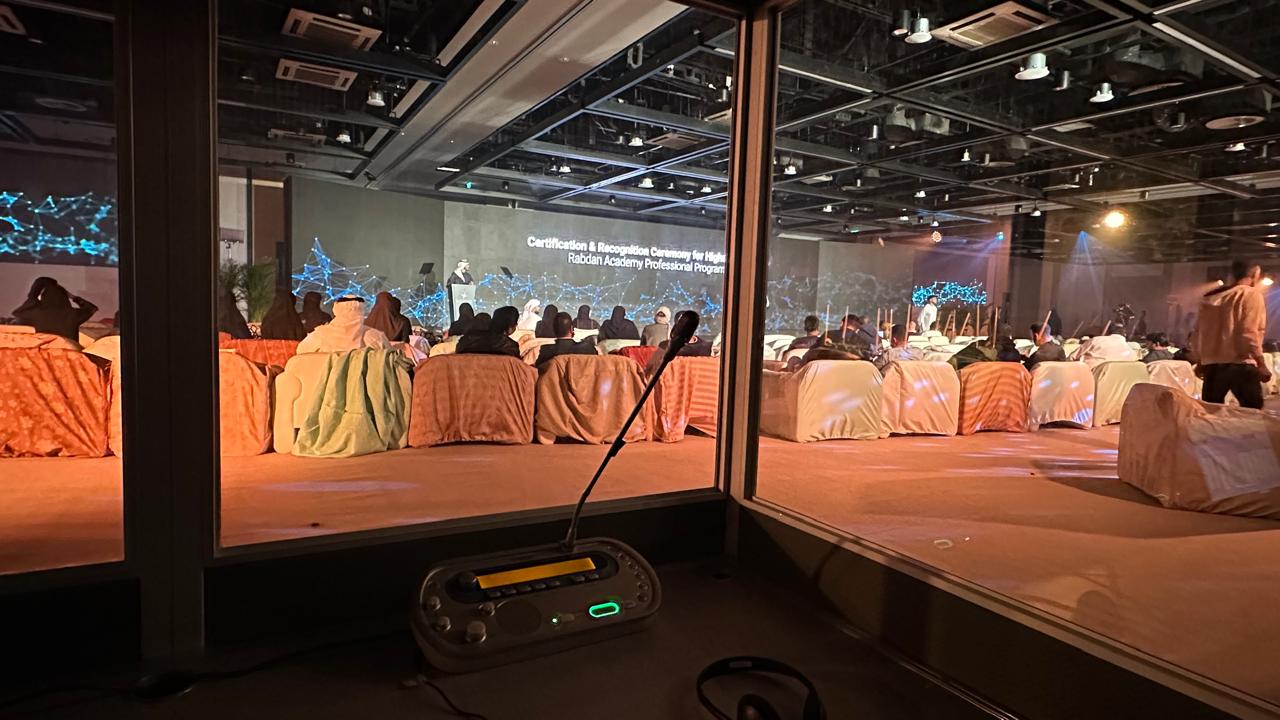
Great interpretation demands great connectivity, equipment, and backup plans. A common mistake is assuming basic microphone access or room audio is enough. In fact, interpreters need proper headsets, booths, livestream channels, and preset audio feeds to do their job effectively.
Fix:
Work with experienced language service providers to define:
- Booth placement
- Headset distribution or BYOD access systems
- Microphone routing
- Backup connectivity
Always schedule a 30-minute tech rehearsal before doors open.
Ignoring Audience Instruction
Even the best language systems are useless if attendees don’t know how to access them. A surprising number of organisers don’t clearly communicate language options, headset pickup, or channel instructions to participants.
Fix:
Include language access instructions on:
- Event badges with QR codes
- Pre-event emails
- Intro slides before sessions
- Signage at entrances
Make it easy to switch languages, your audience will thank you.
Assuming Bilingual Staff Can Do Interpreting
Just because someone speaks multiple languages doesn’t mean they can interpret. Interpretation, especially simultaneous, requires specific training, quick cognitive processing, and an understanding of cultural nuance.
Fix:
Hire trained interpreters with professional experience. Reserve bilingual staff for participant support roles or basic translation tasks, but not for core interpretation responsibilities unless they are certified professionals.
Forgetting Cultural Nuance
Language isn’t just vocabulary, it carries culture. A literal translation that ignores cultural context can miss humour, misinterpret tone, or even offend.
Fix:
Work with language professionals who understand local culture. This is especially important in international events where cultural norms vary widely.
Underestimating Hybrid and Virtual Requirements
In hybrid events, language planning becomes more complex. Virtual attendees may need:
- Live captions
- Remote simultaneous interpretation (RSI)
- Translated UI labels in webinar platforms
Failing to plan for this can leave remote participants confused or excluded.
Fix:
Integrate language access into your virtual platform strategy early. Test it with remote users and assign dedicated tech support to monitor language streams during sessions.
Not Planning for Interpreter Rotation
Simultaneous interpretation is mentally demanding. Interpreters need breaks to maintain accuracy and energy. Events that do not schedule interpreter rotations risk fatigue-related errors.
Fix:
For long sessions:
- Assign at least two interpreters per language
- Plan interpreter break intervals
- Ensure technical handoffs are smooth
This preserves quality throughout the event day.
Treating Language as a Cost Instead of an Investment
Too many organisers view interpreting and translation as optional expenses. But when multilingual access is done right:
- engagement increases
- inclusivity improves
- brand reputation strengthens
- audience retention rises
In competitive markets, especially in regions like APAC or the Middle East, ignoring language access isn’t just unattractive, it’s a business disadvantage.
Final Thoughts: Plan Language Like You Plan Everything Else
Language shouldn’t be an afterthought. It’s core to communication, the very essence of any event. Poor language planning leads to disengagement, loss of information, and a fractured audience experience. Great language planning, with enough time, resources, professional interpreters, quality tech, and clear audience instruction, elevates events from “informational” to impactful.
Start early. Partner with professionals. Test relentlessly. Treat language as a fundamental part of your event design and your audience will stay dialled in, understood, and engaged.
Effective language planning isn’t extra.
It’s essential.
You May Also Like