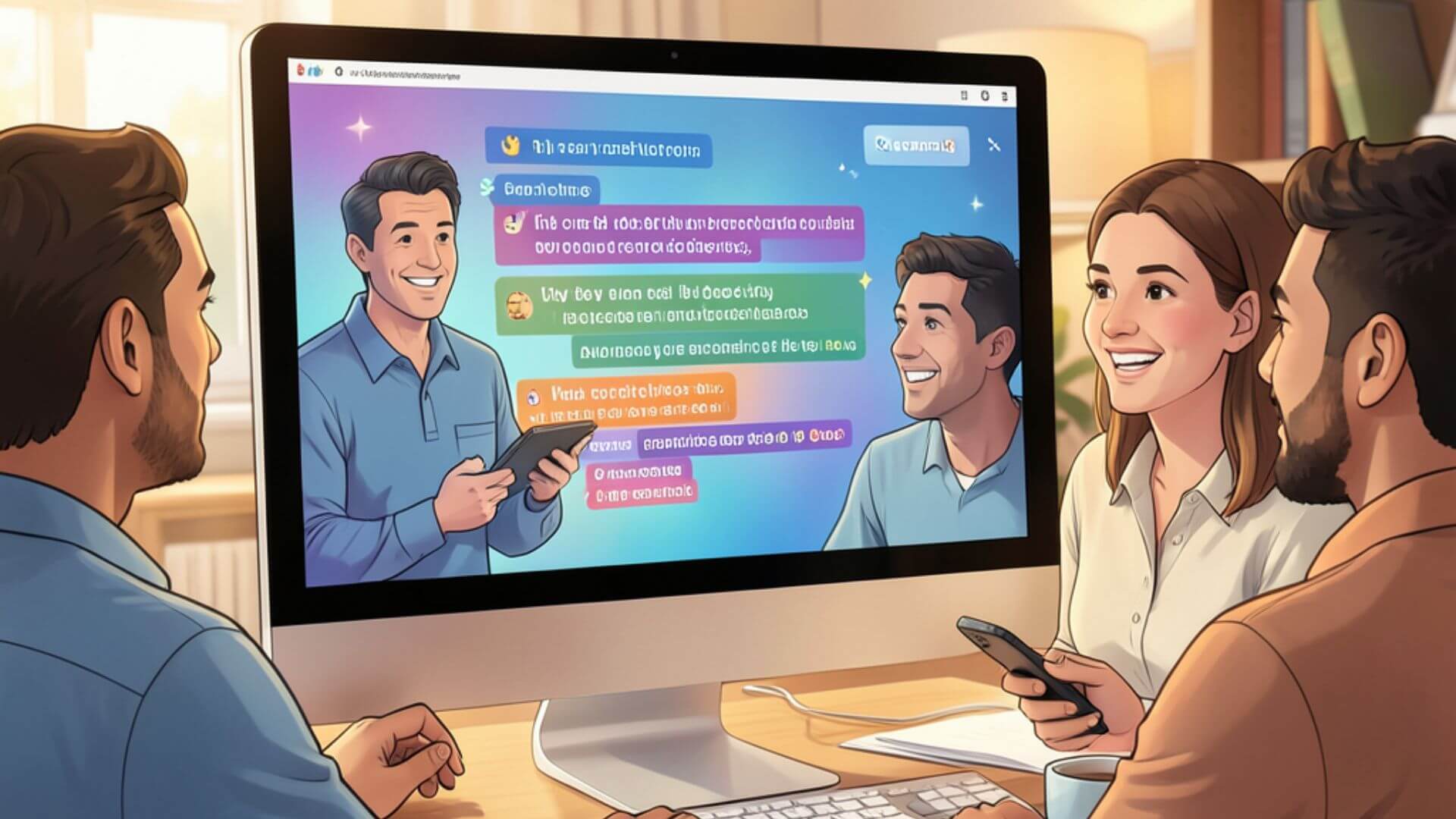


Imagine attending a global conference and tuning into live interpretation without bulky receivers, tangled cables, or unfamiliar devices handed out at the door. Instead, you simply use your own smartphone, tap a few buttons, scan a QR code, select your language, and you’re listening in real time.
This is not the future, it’s happening now, and it’s transforming how languages are accessed at events, tours, meetings, and hybrid gatherings.
Mobile multilingual access, where attendees bring their own devices (BYOD) to access interpretation, captions, or translation, is now a major trend in the language services world. Thanks to better internet connectivity, powerful apps, and cloud-based platforms, mobile access is making multilingual events more flexible, scalable, and inclusive than ever before.
Let’s explore why mobile multilingual access matters, how it works, and how it’s changing the way events handle language services.
Why Mobile Multilingual Access Is Taking Off
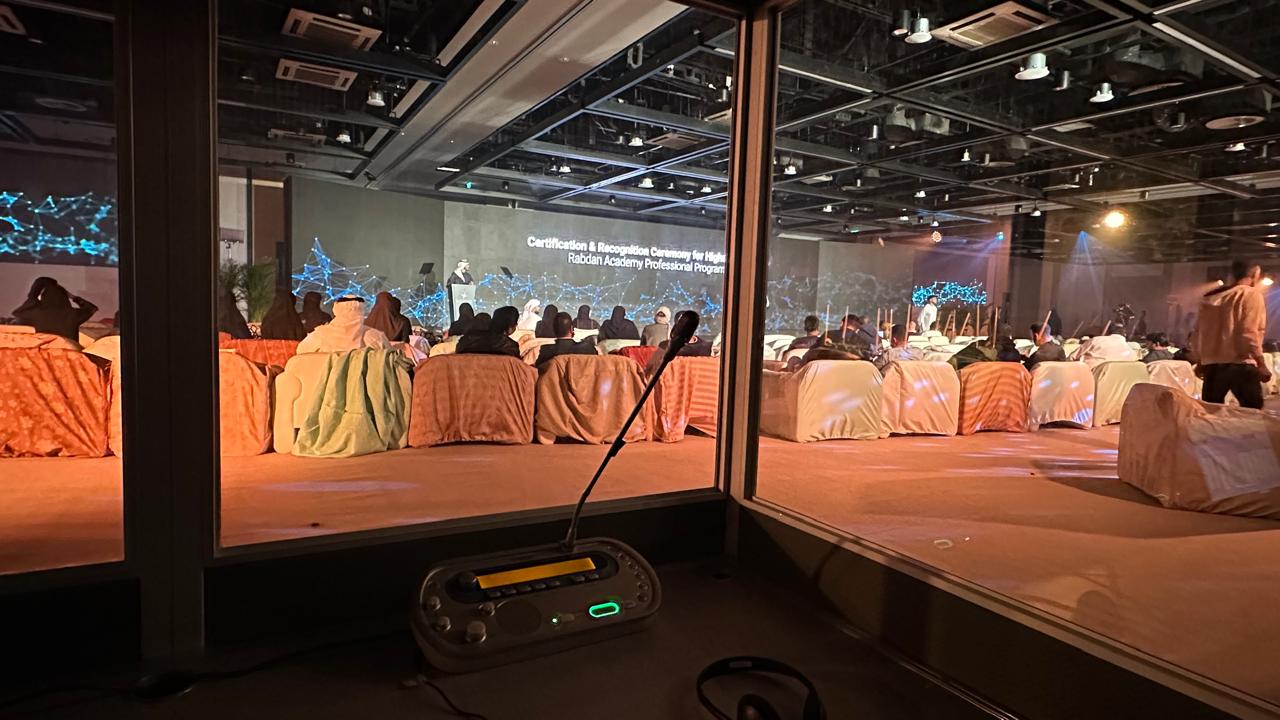
For decades, events relied on traditional interpreting equipment: dedicated receivers, headphones, infrared systems, and interpreted audio channels broadcast through physical hardware. While effective, this approach came with challenges:
- Logistics – renting, distributing, and collecting devices can be time-consuming.
- Cost – purchasing or renting traditional hardware adds to the event budget.
- Scale limitations – sessions with many languages require more receivers and channels.
Mobile access solves these issues by letting people use a device they already own, their smartphone, as the receiver. With this shift:
✔ Attendees join language streams instantly.
✔ Organizers reduce hardware costs and logistical complexity.
✔ Events can support many languages without worrying about physical equipment.
Instead of ordering racks of receivers and managing returns, event teams can simply set up a mobile access solution and make interpretation available via a mobile app or web portal.
How Mobile Multilingual Access Works
At its core, mobile multilingual access uses audience devices as the audio output for interpretation or translation:
- Event Setup
Organisers configure the language channels through a platform, often cloud-based, that streams interpreted audio or live captions to attendee devices.
- Attendee Connection
Attendees either download an app or visit a web page (sometimes via a QR code) to connect their phone to the event’s language system.
- Real-Time Access
Once connected, they can:
- choose their preferred language
- listen to live interpretation
- read real-time captions
- switch languages or channels mid-session
These platforms allow listeners to access crystal-clear interpreted audio and captions directly on their phones without dedicated receivers.
Use Cases: Not Just Conferences
Mobile multilingual access isn’t limited to traditional conferences and summits. It’s becoming popular across a wide range of scenarios:
Art & Museum Tours
Visitors can press a button on their phone to hear commentary in their own language during exhibits, without whispering, paper guides, or shared devices.
Hybrid & Virtual Events
Participants joining online or in person use the same mobile access, bridging both audiences seamlessly.
Guided Tours & Cultural Experiences
Tour groups often include people of many nationalities. A guide’s speech can be streamed to everyone’s device simultaneously in multiple languages.
Training & Workshops
Interactive sessions benefit from mobile interpretation because it allows attendees to focus on the content, not learning new hardware.
The Convenience Factor
Mobile access brings several noticeable conveniences:
No Extra Hardware
Attendees use what they already have, no need to collect, disinfect, or manage devices before and after the event. Tools can work on both iOS and Android devices, as well as in browsers.
Scalability
Mobile platforms can support unlimited audience sizes and language channels without scaling issues tied to physical devices.
Flexibility
Attendees can switch languages or streams, see captions, and interact with mobile content without interrupting their event experience.
Reduced Cost
Less hardware means lower rental fees and fewer logistics expenses, one of the most compelling reasons organizers are adopting mobile multilingual access.
Beyond Interpretation: Live Captions & AI
Mobile platforms now offer more than just interpreted audio. Some solutions include:
- Live captions displayed directly on the device screen.
- Automatic language selection for attendees.
- Speech-to-text translation for hybrid events.
Technologies showcased at major industry shows reveal the push toward QR-based translation and captioning systems that don’t require dedicated apps at all. Instead, users scan a QR code and instantly access live translated captions in their language.
This trend reflects a future where multilingual access becomes transparent, intuitive, and deeply integrated into the participant experience.
Challenges & Best Practices
While mobile access is exciting, organizers should be mindful of a few things:
Reliable Connectivity
Good wifi or mobile internet is essential to ensure attendees can stream interpretation without interruptions.
Device Compatibility
Whether via dedicated apps or browser access, platforms must work smoothly on both iOS and Android devices.
User Guidance
Clear instructions, such as QR codes and simple language selection prompts, help attendees connect easily.
The Future of Multilingual Engagement
As more events embrace hybrid formats and diverse global audiences, mobile multilingual access will continue to grow. It offers:
- Simplified setup
- Lower logistical overhead
- Scalable language options
- Greater audience autonomy
In a world where people expect instant, personalized experiences, whether they’re browsing social media, watching videos, or attending conferences, giving them language access on their own device is both logical and impactful.
Mobile access doesn’t replace professional interpreting and AV solutions, especially for high-stakes or large-scale events, but it complements them wonderfully, offering flexibility, inclusivity, and an enhanced attendee journey.
Ready for your next multilingual event? Pair mobile access with expert interpreting, quality AV infrastructure, and thoughtful planning and you’ll deliver an experience that truly speaks to every attendee, in every language. Contact us today!
You May Also Like